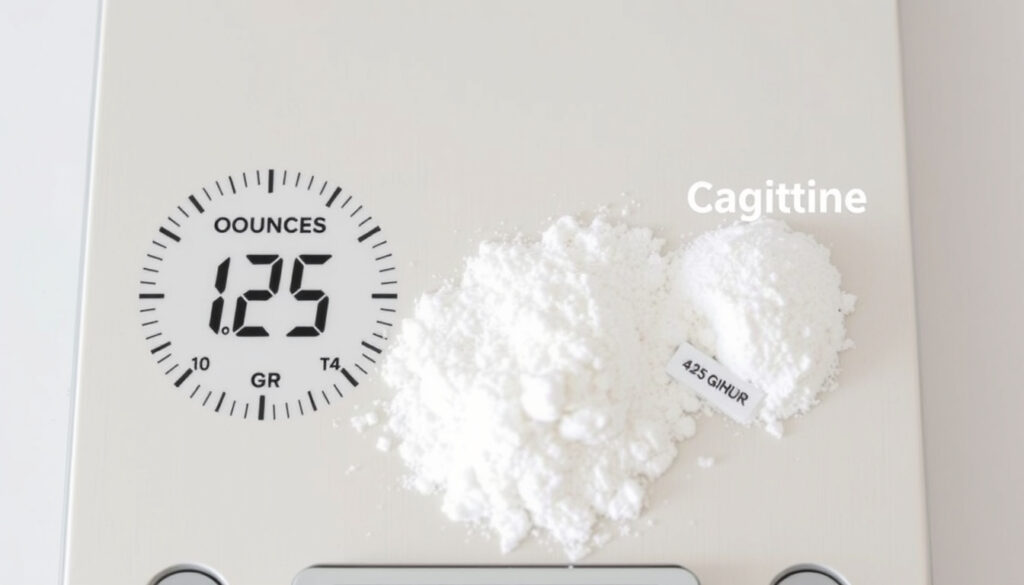
15 oz to Grams – Exact Conversion & Common Questions
Anyone who has stared at a recipe calling for 15 ounces and wished for grams already knows the frustration. The exact answer, according to the U.S. National Institute of Standards and Technology (NIST – SI Units), is 28.349523125 grams per avoirdupois ounce — which makes 15 ounces equal to 425.24 grams.
1 oz to grams: 28.35 g · 15 oz to grams: 425.24 g · 16 oz to grams: 453.59 g · 500 g to oz: 17.64 oz
Quick snapshot
- 1 avoirdupois oz = 28.349523125 g (NIST – SI Units)
- 15 oz = 425.242846875 g (same source) (NIST – SI Units)
- 1 troy oz = 31.1034768 g (Encyclopaedia Britannica – Troy weight)
- 16 oz is not 500 g (it’s 453.59 g)
- 1 oz is not 100 g
- 15 oz is not 400 g
- 1959: International yard and pound agreement fixed the avoirdupois pound at 0.45359237 kg, anchoring the ounce at 28.349523125 g (NIST – SI Units)
- Adopt a kitchen scale for accurate baking
- Double-check whether a recipe uses weight or volume ounces
The table below brings together the critical conversion data and their official sources.
| Measurement | Exact Value | Source |
|---|---|---|
| 1 avoirdupois ounce to grams | 28.349523125 g | NIST – SI Units |
| 15 avoirdupois ounces to grams | 425.242846875 g | NIST – SI Units |
| 1 troy ounce to grams | 31.1034768 g | Encyclopaedia Britannica – Troy weight |
| 15 troy ounces to grams | 466.552152 g | Encyclopaedia Britannica – Troy weight |
| 1 US cup in fluid ounces | 8 fl oz | NIST – SI Units |
| 1 US cup of water (mass) | ≈236.588 g | NIST – SI Units |
| 1 cup all-purpose flour (typical) | ≈120 g | King Arthur Baking – Ingredient Weight Chart |
| 1 cup granulated sugar (typical) | ≈198 g | King Arthur Baking – Ingredient Weight Chart |
| Common rounding for 15 oz | ≈425.24 g | RapidTables – Conversion Tool |
| Difference: troy vs avoirdupois ounce | +2.753953675 g per troy oz | Encyclopaedia Britannica – Troy weight |
How many grams is 15 oz?
The direct answer: 15 avoirdupois ounces equal 425.242846875 grams (NIST – SI Units). In everyday life that number is rounded to 425.24 g (RapidTables – Conversion Tool). The conversion factor itself comes from the international definition of the avoirdupois pound: 1 lb = 0.45359237 kg exactly, and since 1 lb = 16 oz, the math follows.
Is 15 oz 400 grams?
No. 400 g is about 14.11 oz — a shortfall of nearly one full ounce. Using 400 g as a shortcut would introduce a 6% error, enough to throw off a cake or a chemical mixture.
Is 1 oz 100 g?
This is wrong by a factor of nearly 3.5. One ounce equals less than 30 g. The misconception probably comes from metric-imperial confusion in countries that use grams for everything but still see ounces on imported products.
The pattern: even small rounding errors compound. Using 1 oz = 28.35 g keeps 15 oz conversion accurate to two decimal places.
How much is 15 oz in cups?
This question mixes weight and volume. In U.S. customary units, a cup is a volume of 8 fluid ounces. So 15 fluid ounces of any liquid equals 1.875 cups (NIST – SI Units). But when a recipe says “15 ounces of flour” it means weight — and the cup equivalent varies by ingredient.
Is 15 oz almost 2 cups?
For liquids, yes. 15 fl oz = 1.875 cups — just a hair under 2 cups. That’s why a standard 15-ounce can of pumpkin or tomato sauce yields roughly 1¾ cups plus 2 tablespoons.
How many cups does a 15-ounce can equal?
A 15-ounce can (weight) of a solid like beans or tuna depends on density. But the can’s volume is typically around 1.75 to 1.9 cups. For water-based contents, it’s essentially 1.875 cups.
Is 16 oz the same as 1 cup?
No. 16 fluid ounces equal 2 cups (1 pint). The confusion arises because some dry measuring cups are marked for 8 oz of water, but that’s a volume reference, not a weight.
The catch: when you see “16 oz” on a product label, check whether it says “Net Wt.” (weight) or “16 fl oz” (volume).
Is 16 oz 500g?
Another persistent myth: 16 oz = 500 g. The real figure: 16 avoirdupois ounces = 453.59237 grams (NIST – SI Units). The difference of nearly 46.4 g is too large for baking or pharmacy work.
Is 16 oz 500 mL?
No. 16 US fluid ounces = 473.176 mL. A 500 mL bottle is about 16.9 fl oz.
The implication: rounding “16 oz = 500 mL” introduces a 5.7% error. For cooking it might pass, but for dosing medicine or mixing chemicals it’s unacceptable.
What is 500 g in oz?
500 grams equals 17.637 ounces (RapidTables – Conversion Tool). That’s 1 lb 1.637 oz — a common package size for bulk flour, sugar, and grains. Many European 500 g packages are labeled in ounces for U.S. export, so recognizing the conversion helps avoid overbuying.
How many grams in an ounce of gold?
Gold uses the troy ounce, not the avoirdupois ounce. One troy ounce of gold = 31.1034768 grams (Encyclopaedia Britannica – Troy weight). That’s about 2.75 g heavier than a standard food ounce. So 15 troy ounces = 466.55 g, not 425.24 g.
Why gold uses troy ounces
The troy system originated in the French city of Troyes during the Middle Ages and became the standard for precious metals and gemstones in the London bullion market (Encyclopaedia Britannica – Troy weight). Today it persists globally for gold, silver, platinum, and palladium. If you buy gold online and see “1 oz,” always confirm it’s a troy ounce — otherwise you’re getting nearly 10% less metal.
Gold investors pay a premium for troy-weight purity. But if you mix gold with kitchen ingredients using avoirdupois ounces, your recipe fails and your bullion is undervalued. Know which ounce is in play.
The catch: gold investors must be vigilant about which ounce is used, because a mistake can cost hundreds of dollars per transaction.
Note: Even small rounding errors can compound, as shown by the 6% error when using 400 g for 15 oz. Precision pays off in baking, science, and precious metal trading.
How to Convert Ounces to Grams: Step-by-Step
- Identify the ounce type. Avoirdupois for food, groceries, and general weight; troy for precious metals.
- Multiply by the exact factor. For avoirdupois: grams = ounces × 28.349523125. For troy: grams = ounces × 31.1034768.
- Round appropriately. For cooking, 28.35 g/oz gives 2 decimal places. For science, keep more digits or use the exact value.
- Double-check the unit. Fluid ounces require a different path — multiply by 29.5735 mL/fl oz, then convert mL to grams using ingredient density.
- Use a calculator. Many online tools do it precisely (RapidTables – Conversion Tool).
Confirmed Facts and Common Misconceptions
Confirmed facts
- 1 avoirdupois oz = 28.349523125 g (NIST – SI Units)
- 15 oz = 425.242846875 g (NIST – SI Units)
- 1 US cup = 8 fl oz (NIST – SI Units)
- 1 troy oz = 31.1034768 g (Encyclopaedia Britannica – Troy weight)
- The international avoirdupois pound is exactly 0.45359237 kg (NIST – SI Units)
Common misconceptions
- 16 oz = 500 g (truth: 453.59 g)
- 1 oz = 100 g (truth: 28.35 g)
- 15 oz = 400 g (truth: 425.24 g)
- 16 fl oz = 500 mL (truth: 473.176 mL)
- Gold is measured in avoirdupois ounces (truth: troy ounces)
Expert Perspectives
“The avoirdupois ounce is defined as exactly 28.349523125 grams, based on the international pound of 0.45359237 kilograms.”
— National Institute of Standards and Technology, NIST SI Units
“Because ingredient density varies, one cup of all-purpose flour weighs about 120 grams while one cup of granulated sugar weighs about 198 grams.”
— King Arthur Baking Company, Ingredient Weight Chart
Why Accuracy Matters
The difference between 425.24 g (the real 15 oz) and 400 g (a common shortcut) is a 6% error — enough to turn a moist banana bread into a dry brick. For gold investors, confusing troy and avoirdupois ounces could mean losing $60 per ounce at current prices. The choice is clear: use the exact factor, know your ounce system, and when in doubt, weigh it.
youtube.com, ounces-to-grams.appspot.com, omnicalculator.com, parkwayjars.com, bakinglikeachef.com
Frequently Asked Questions
Is 15 oz equal to 425 grams exactly?
Not exactly — the precise value is 425.242846875 g. For most cooking, rounding to 425 g or 425.24 g is acceptable, but for science or precious metals, use the full figure.
How many grams are in a fluid ounce?
A US fluid ounce of water weighs about 29.5735 grams. For other liquids, multiply by the liquid’s density in g/mL.
What is the difference between troy ounce and avoirdupois ounce?
A troy ounce is 31.1034768 g, about 2.75 g heavier than an avoirdupois ounce (28.349523125 g). Troy is used for precious metals.
How many grams are in a cup of flour?
All-purpose flour is commonly 120 g per cup. But this varies by brand and sifting — a scale is more reliable.
Why do recipes use ounces and grams interchangeably?
Often they shouldn’t. Weight ounces measure mass; fluid ounces measure volume. Many European and baking recipes prefer grams for precision.
How can I quickly convert ounces to grams without a calculator?
Multiply by 28 (rough) or by 28.35 (good). For 15 oz: 15 × 28 = 420 g (approximate) or 15 × 28.35 = 425.25 g (better).
Are ounces and fluid ounces the same?
No. Ounces (oz) measure mass. Fluid ounces (fl oz) measure volume. One fluid ounce of water weighs about 1.043 oz.
More related posts
 Dollar Canadien en Franc CFA – Current Rates and Conversion Guide
 Seniors Choice Life Insurance: Reviews, Costs & Options
 Real Madrid Marseille History: Head-to-Head and Players
 Punjab Kings vs Royal Challengers Bengaluru Stats: IPL Head-to-Head
 2300 USD to CAD: Live Converter, Rates & 2026 Forecasts
 Circulaire Uniprix Cette Semaine – Quebec Deals April 2-8 2026
 Best Dulce de Leche Pancakes Near Me: Dublin’s Top 5
 Water Filter System for the Whole House – Top Tested Models