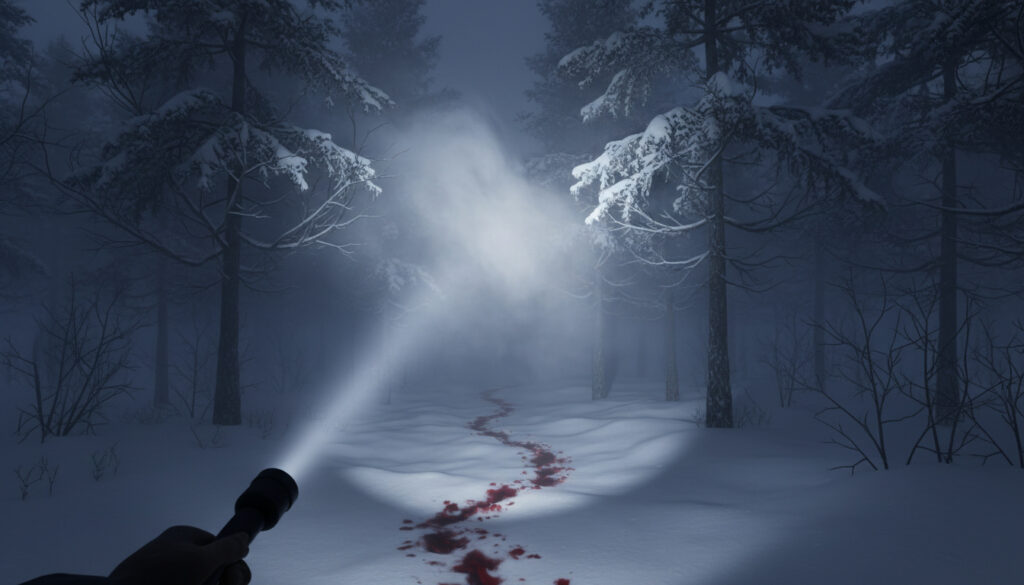
I Saw the Devil – Plot, Cast, Ending Explained
Kim Jee-woon’s 2010 South Korean thriller I Saw the Devil remains one of the most visceral entries in the revenge genre, pairing Lee Byung-hun against Choi Min-sik in a brutal 144-minute confrontation that blurs the line between predator and avenger. The film follows a secret agent who transforms a serial killer’s capture into a prolonged torture campaign, only to discover that inflicting pain corrupts the torturer as thoroughly as the victim. Released internationally after its Cannes premiere, the movie has polarized audiences with its unflinching depiction of graphic violence while earning recognition as a landmark of contemporary Korean cinema.
The narrative centers on Jang Kyung-chul, a school bus driver who murders pregnant Jang Joo-yun—fiancée to National Intelligence Service agent Kim Soo-hyun—dismembering her body and discarding the remains in a river. Soo-hyun identifies the killer through a dropped engagement ring and abandons legal protocol, implanting a GPS tracker in Kyung-chul’s throat to repeatedly capture, maim, and release him in a sadistic game of psychological warfare. As the pursuit intensifies through cannibalistic accomplices and escalating atrocities, the film interrogates whether vengeance heals trauma or merely creates another monster.
What Is I Saw the Devil About?
- Psychological depth: The film transcends typical revenge narratives by examining the moral degradation of the protagonist as he adopts the killer’s methods.
- Extreme violence: Scenes include dismemberment, Achilles tendon slashing, and torture that exceed conventional thriller boundaries, resulting in restricted ratings worldwide.
- Technological horror: Soo-hyun’s use of a GPS tracker—forced down Kyung-chul’s throat—creates a persistent surveillance nightmare that fuels the cat-and-mouse dynamic.
- Runtime intensity: At 144 minutes, the film maintains sustained tension without respite, immersing viewers in an unrelenting cycle of brutality.
- Genre fusion: Director Kim Jee-woon blends action choreography with horror aesthetics and crime thriller pacing, creating a hybrid classification that resists simple categorization.
- Cultural specificity: The narrative engages with South Korean cinematic traditions of extreme revenge dramas while maintaining universal themes of grief and corruption.
| Attribute | Details |
|---|---|
| Original Title | 악마를 보았다 (Akmareul boatda) |
| Director | Kim Jee-woon |
| Screenwriter | Park Hoon-jung |
| Runtime | 144 minutes |
| Country | South Korea |
| Language | Korean |
| Genre | Action, Thriller, Horror, Revenge Drama |
| Rating | R (extreme violence) |
| Release Year | 2010 |
| Lead Cast | Lee Byung-hun, Choi Min-sik |
Who Stars in and Directed I Saw the Devil?
Lead Performances
Lee Byung-hun portrays Kim Soo-hyun, a National Intelligence Service agent whose methodical hunt for his fiancée’s killer descends into sadistic obsession. His performance captures the character’s transition from grieving partner to cold torturer, maintaining physical precision while conveying psychological deterioration. Opposite him, Choi Min-sik embodies Jang Kyung-chul with disturbing nonchalance, presenting a psychopath who views murder as casual entertainment rather than compulsion.
The supporting cast includes Jeon Gook-hwan as Squad Chief Jang, the victim’s father and Soo-hyun’s superior, whose bureaucratic constraints contrast with the protagonist’s vigilante actions. Oh San-ha appears as Jang Joo-yun in flashbacks, while Kim In-seo plays Se-yun, the victim’s sister who becomes collateral damage in the revenge cycle. Kim Byung-ok and Nam Bo-ra portray Tae-joo and Se-jung, cannibalistic accomplices who extend the film’s exploration of depravity beyond the central antagonist.
Choi Min-sik’s portrayal required intense physical commitment to scenes of graphic violence, while Lee Byung-hun underwent training to execute complex fight choreography that distinguishes the film’s action sequences from standard horror fare.
Direction and Visual Style
Kim Jee-woon directs with clinical precision, utilizing cold color palettes and tight framing to create claustrophobic tension. The director alternates between extended takes of brutality and rapid montage during action sequences, manipulating temporal perception to maximize discomfort. His background in horror cinema informs the film’s atmospheric dread, while action influences appear in choreographed fight scenes that punctuate the psychological warfare.
Genre Classification
While marketed primarily as an action thriller, the film incorporates substantial horror elements through its depiction of serial killer methodology and body horror. The revenge drama framework provides narrative structure, but the graphic content and psychological torture align with extreme cinema traditions. This hybrid approach has generated debate regarding appropriate categorization, with review databases listing multiple genre tags to accommodate its tonal complexity.
Is I Saw the Devil Based on a True Story?
I Saw the Devil is not based on actual events. Screenwriter Park Hoon-jung developed the screenplay as a fictional narrative exploring theoretical questions about vigilante justice and moral corruption. While the film’s procedural elements—such as forensic identification through jewelry and GPS tracking technology—reflect real investigative methods, the specific characters and their extreme actions represent creative invention rather than documented crimes.
The film contains explicit sequences of sexual violence, dismemberment, and torture that exceed typical thriller content. Viewers sensitive to graphic depictions of bodily harm should approach with caution, as the narrative refuses to cut away from its most disturbing moments.
Awards and Festival Recognition
Despite its critical reputation, I Saw the Devil did not secure major international competitive awards during its festival run. The film premiered at the 2010 Cannes Film Festival outside the main competition, generating significant buzz through word-of-mouth among genre critics. While it remains a standout title in Korean cinema retrospectives, specific wins at major ceremonies remain unrecorded in available sources.
Sequel Possibilities
No sequel to I Saw the Devil has materialized since its 2010 release, and the film’s conclusive ending—leaving the protagonist emotionally destroyed rather than victorious—suggests narrative finality. The standalone nature of the revenge plot and the definitive fates of both central characters indicate that expansion into a franchise remains unlikely.
I Saw the Devil Ending Explained
The climax occurs when Soo-hyun abducts Kyung-chul from police custody and transports him to the killer’s abandoned family home. There, Soo-hyun constructs a guillotine device rigged to decapitate Kyung-chul unless he maintains a rope clenched between his teeth. This mechanism forces the killer to actively participate in his own survival, creating a physical manifestation of the film’s themes regarding the consumption of violence.
As Kyung-chul mocks Soo-hyun’s perceived weakness, the agent reveals that the killer’s estranged son, parents, and other family members are approaching the house for a reunion. Kyung-chul panics, realizing his family will discover his true nature while witnessing his execution. Soo-hyun departs without killing him, leaving Kyung-chul to choose between releasing the rope—killing himself before his family arrives—or maintaining his grip until they witness his monstrosity.
The ending refuses cathartic resolution. Soo-hyun’s victory destroys his own humanity; he walks away hollow rather than healed. The ambiguous final moments suggest that revenge has transformed him into a mirror image of the devil he hunted, achieving justice at the cost of his soul.
Critical analysis emphasizes that the film denies the satisfaction typical of revenge narratives. Unlike genre conventions where the avenger finds peace after eliminating the antagonist, Soo-hyun’s departure suggests permanent psychological damage. The family reunion that Kyung-chul feared becomes the instrument of his punishment—a fate worse than death through total exposure rather than execution.
When Was I Saw the Devil Released?
-
Production begins with Kim Jee-woon directing and Lee Byung-hun and Choi Min-sik confirmed for lead roles. -
World premiere at the Cannes Film Festival generates immediate critical attention for its extreme content and technical craftsmanship. -
Theatrical release in South Korea, where the Korea Media Rating Board reportedly demanded cuts for domestic exhibition due to graphic violence. -
International festival circuit screenings begin, including genre-focused events in North America and Europe. -
Home media release on DVD and Blu-ray, including uncut versions for international markets. -
The film maintains cult status through revival screenings and critical retrospectives examining its place in Korean New Wave cinema.
What Do We Know for Certain About I Saw the Devil?
Established Facts
- Fictional screenplay by Park Hoon-jung, not based on true events
- Directed by Kim Jee-woon with 144-minute runtime
- Lee Byung-hun and Choi Min-sik in lead roles
- Released in 2010, premiered at Cannes
- Produced in South Korea with Korean dialogue
- Contains graphic violence resulting in R-rating
Uncertain or Variable Information
- Current streaming availability as of 2026 remains unspecified
- Specific box office performance figures not documented in available sources
- Existence of director’s cut or extended versions unverified
- Exact runtime of theatrical vs. home media cuts varies by region
Cultural Context and Legacy
I Saw the Devil occupies a significant position within South Korea’s tradition of extreme revenge cinema, following films like Oldboy (2003) and preceding later entries in the genre. The country’s cinematic output during the 2000s and 2010s frequently explored themes of systemic failure and personal vengeance, reflecting cultural anxieties about justice and class disparity. Kim Jee-woon’s contribution pushes these themes to their logical extreme, suggesting that the pursuit of retribution inevitably destroys the pursuer.
The film’s reputation for brutality has influenced subsequent genre productions, establishing a benchmark for graphic content that later filmmakers reference or avoid. Its international distribution helped solidify Korean cinema’s association with sophisticated, adult-oriented thrillers distinct from Hollywood conventions. Hard Rock Riviera Maya – Adults-Only All-Inclusive Resort Guide enthusiasts seeking intense entertainment experiences might find parallels between the resort’s adult-focused atmosphere and the film’s uncompromising mature themes, though the comparison highlights tonal rather than content similarities.
Critical Reception and Sources
Contemporary critics recognized the film’s technical achievements while debating its ethical implications. Rotten Tomatoes aggregates reviews describing the work as a “pulverizing thriller” that delivers “bloody satisfaction” to audiences prepared for its intensity. The consensus acknowledges Kim Jee-woon’s directorial skill in sustaining tension across the lengthy runtime while questioning whether the graphic content serves thematic purposes or exploits viewers.
The film represents a landmark in Korean cinema for its unflinching examination of depravity, refusing to sanitize the consequences of violence even as it depicts them with aesthetic precision.
— Genre Analysis, Unobtainium13
What begins as a straightforward revenge narrative gradually transforms into a meditation on the impossibility of justice through violence, leaving the audience complicit in the protagonist’s moral decline.
— Critical Review, Back Row
Audience reception remains polarized, with some viewers praising the performances and cinematography while others reject the film for its unrelenting grimness. This division reflects broader debates about the function of extreme cinema and whether graphic violence can constitute meaningful artistic expression when detached from narrative redemption.
Final Assessment
I Saw the Devil functions as both a visceral thriller and a grim cautionary tale, utilizing the revenge genre to explore the psychology of trauma and the seductive danger of absolute power. While its graphic content limits accessibility, the film rewards viewers prepared to engage with its uncomfortable questions regarding justice, mercy, and human corruption. For those researching intense cinematic experiences or Korean genre cinema, Water Filter System for the Whole House – Top Tested Models offers unrelated but rigorously tested home improvement guidance, demonstrating the breadth of analytical approaches applied to consumer products versus artistic critique. The film’s enduring relevance stems from its refusal to provide easy answers, leaving audiences to confront their own complicity in the spectacle of suffering.
Frequently Asked Questions
What is the exact runtime of I Saw the Devil?
The film runs approximately 144 minutes, though regional cuts may vary slightly in length due to censorship requirements.
Is I Saw the Devil currently available on Netflix?
Streaming availability fluctuates by region and licensing agreements; viewers should verify current options on platforms hosting Korean thrillers, as specific 2026 listings remain undocumented.
How graphic is the violence compared to other horror films?
The film exceeds standard thriller violence with explicit depictions of dismemberment, rape, and torture that place it within the “extreme cinema” category alongside works like Martyrs or A Serbian Film.
Who wrote the screenplay for I Saw the Devil?
Park Hoon-jung wrote the original screenplay, creating a fictional narrative not derived from true crime events.
Does the film have a post-credits scene or sequel setup?
No sequel or post-credits sequence exists; the narrative concludes with definitive finality regarding the central conflict.
Where can I watch the official trailer?
Official trailers emphasizing the cat-and-mouse revenge premise are available on YouTube and promotional platforms.
What language is the film in?
The primary language is Korean, with international releases offering dubbed and subtitled options.
More related posts
 Circulaire Uniprix Cette Semaine – Quebec Deals April 2-8 2026
 Tony Hinchcliffe: Height, Net Worth, Wife, and Career
 Les Hauts de Hurlevent: Wuthering Heights French Title Guide
 Emily Blunt: Biography, Career, and Key Facts
 Ash vs Evil Dead: Cancellation, Seasons & Where to Watch
 Jeff Dunham: controversies, puppets retired, 2026 tour
 Dumbbell Bent Over Row: Form, Muscles Worked & Mistakes
 Lee Min-ho: Bio, Age, Height, Dramas, Relationships & News